


Have you ever suffered from chicken pox disease? Most of the people have ever got chicken pox at least once in their lifetime. This disease is not dangerous and it will recover in a few days. This disease is really annoying and makes our body look awful. You need to wait for the healing process when you suffer from this disease. You are not allowed to touch it despite this disease really makes you feel itching. Most of the people who suffer from this disease will leave some chicken pox scars that make their body look bad. You will feel shy because your body is no longer beautiful, especially on your face. Finally, you will feel unconfident when talking to others. But, you should not worry about it because you still have some home remedies to remove deep Chicken Pox Scars naturally. Here are some home remedies that you can try.
Understanding and Treating Deep Chicken Pox Scars
Chickenpox, caused by the varicella-zoster virus, is a common childhood illness characterized by itchy, fluid-filled blisters. While most cases resolve without complications, severe or improperly managed infections can lead to deep scars. These scars often result from excessive scratching, secondary infections, or poor wound healing. Unlike superficial marks, deep chickenpox scars penetrate the dermis, creating pitted or depressed areas that can persist for years or even a lifetime.
Chickenpox scars typically form when the blisters become inflamed or infected, leading to deeper skin damage. The two primary types of scars are:
Atrophic Scars – Atrophic scars are depressions or pits in the skin that form when the underlying tissue is damaged during the healing process. Chickenpox blisters penetrate deep into the dermis, and if the skin fails to regenerate properly, these indentations remain. Atrophic scars are particularly common in individuals who scratched their blisters, as this disrupts natural healing.
Hyperpigmented Scars – Hyperpigmented scars appear as dark or discolored patches where chickenpox blisters once were. These occur when the skin produces excess melanin in response to inflammation. Unlike atrophic scars, hyperpigmentation does not alter skin texture but can be visually prominent, especially in individuals with darker skin tones.
1. Honey for deep Chicken Pox Scars and wound
Honey has an anti-inflammation and anti-bacteria property that is quite strong enough to help anyone remove acne and can also be used to get rid of chicken pox scars. You need to apply the honey to the skin when you are going to bed regularly. However, you also need to be patient to get the best result. Honey’s high sugar content creates an osmotic effect, drawing moisture out of bacterial cells and inhibiting their growth. Additionally, enzymes like glucose oxidase produce hydrogen peroxide, further enhancing its antimicrobial properties.
Clean the scarred area with mild soap and water. Apply a thin layer of raw or medical-grade honey directly to the scars. Cover with a clean bandage or gauze to prevent sticking. Leave on for 2–4 hours or overnight before rinsing with lukewarm water. Repeat daily for several weeks.
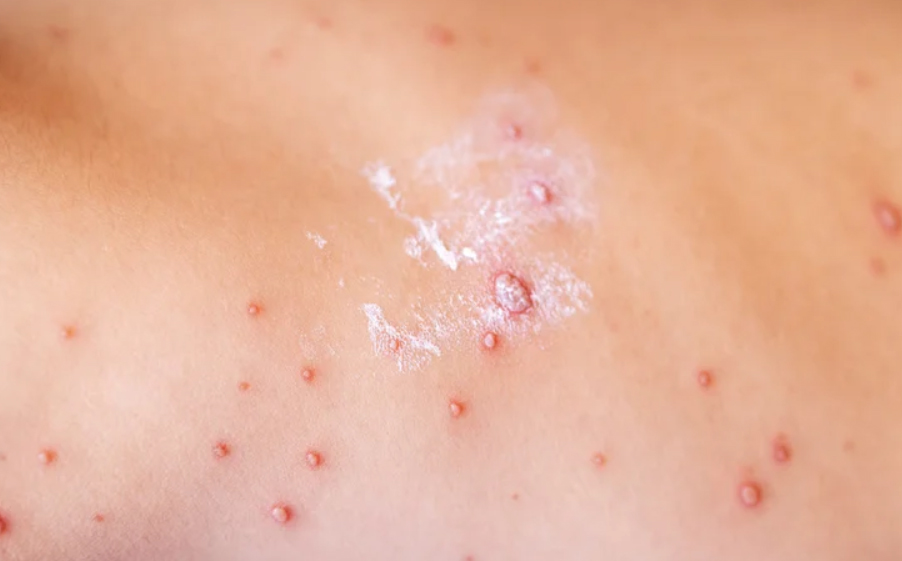
Honey’s multifaceted healing properties make it a valuable remedy for deep chickenpox scars and wounds. Its ability to fight infection, reduce inflammation, and promote skin regeneration offers a natural, accessible solution for scar management. While severe scars may require professional intervention, regular honey application can significantly improve skin appearance over time. By selecting high-quality honey and following a consistent treatment regimen, individuals can harness this ancient remedy to restore healthier, smoother skin.
2. Cucumber
Cucumber is known to be effective to make our skin fresher and it also can make the skin calmer. There are a lot of people who use cucumber to treat their face with acne. It is true that cucumber will help you get rid of skin problems including chicken pox scars that are really annoying. You only need to take the cucumber liquid and apply it to your skin with chicken pox scars. You need to do it regularly to get the best results.
While medical treatments like laser therapy and chemical peels exist, natural remedies such as cucumber have gained popularity for their gentle yet effective scar-fading properties. Cucumber, rich in vitamins, antioxidants, and hydrating compounds, offers a cost-effective and accessible solution for reducing the appearance of chicken pox scars.
3. Lemon Juice for Chicken Pox Scars
Do you know that lemon contains high vitamin C? It is true that this vitamin C is really important because it contains a strong anti-oxidant. This anti-oxidant is really necessary for collagen regeneration. It is a main component of the skin and when you increase its level, and then it will help you get rid of chicken pox scars. You can drink some lemon juice every day or you can also apply the juice to the skin regularly.
Several studies highlight the benefits of vitamin C and citric acid in scar reduction: – A study published in the Journal of Clinical and Aesthetic Dermatology (2017) found that topical vitamin C significantly improved scar texture and pigmentation. – Research in Phytotherapy Research (2015) noted that citrus extracts, including lemon, promoted wound healing due to their antioxidant properties. While lemon juice alone may not eliminate deep scars, consistent use can visibly improve their appearance over time.
4. Aloe Vera and your Skin
Perhaps, you are quite familiar with Aloe Vera that is really useful for hair treatment. However, Aloe Vera is not only for hair treatment because you can also use to remove chicken pox scars or other skin problems such as acne and wound. The substances that you can get from aloe vera can help our skin growth and it will also reduce inflammation. You only need to take the liquid and then you just apply it to your skin with chicken pox scars.
Mix 2 tablespoons of fresh aloe vera gel with 1 tablespoon of raw honey. Apply the mixture to the affected areas and leave it for 20 minutes. Rinse off with cool water. Honey enhances aloe vera’s healing properties while providing additional antibacterial benefits.
Several studies highlight aloe vera’s efficacy in wound healing. A 2015 study published in BioMed Research International found that aloe vera significantly accelerates skin repair by stimulating fibroblast activity. Another study in The Journal of Dermatological Treatment confirmed its ability to reduce inflammation and improve collagen synthesis.
5. Tomatoes as a Home Remedy
A tomato has a cooling effect that can make your skin calmer when you have wounds. You only need to make a tomato juice and then apply it to your skin with chicken pox scars. The tomato contains vitamin A that can regenerate your skin cell and heal skin scars. Still, you need to perform this home remedy regularly so that you will get a maximal result.
Wash a ripe tomato and cut thin slices. Gently rub the slices over the scars for 5–10 minutes. Leave the juice on the skin for another 10 minutes before rinsing with cool water. Repeat daily for best results.
Tomatoes offer a natural, accessible, and affordable solution for reducing chickenpox scars. Their rich nutrient profile supports skin regeneration, lightens dark spots, and improves texture over time. While they may not eliminate deep scars entirely, regular use can significantly diminish their appearance. For persistent or severe scarring, consulting a dermatologist remains advisable. With patience and proper care, tomatoes can be an effective part of a holistic scar-fading regimen.
6. Jicama for Scars
Jicama, also known as Mexican yam bean or turnip, is a root vegetable native to Central America. It is rich in water, dietary fiber, vitamin C, and antioxidants, making it a nutritious food. Beyond its culinary uses, jicama has been traditionally employed in skincare for its hydrating, brightening, and healing properties.
All of the women may be familiar with jicama. Some of the cosmetic products that they use contain jicama. Jicama is really useful to make our skin white. That’s why some of the women prefer jicama when they want to make a facial mask to make their face white. Therefore, it is not mistaken at all if you use Jicama to remove chicken pox scars that make you unconfident. The enzymes in jicama gently exfoliate dead skin cells, encouraging new cell growth. This process helps fade hyperpigmentation and smoothens pitted scars.
7. Remove deep Chicken Pox Scars use Egg White
There are a lot of people who take and use egg white when they get wound because they think that it can heal the wound. Well, it is true that egg white can help you heal any wounds because of fire and chicken pox. You only need to take the egg white and then apply it to your skin. Since it contains so much protein, then it is able to reduce chicken pox scars effectively and it makes your skin white again.
Egg white acts as a natural astringent, tightening the skin and reducing the appearance of scars. Its ability to promote collagen production makes it particularly useful for repairing damaged skin. Separate the egg white from one egg. Whisk until frothy. Apply a thin layer to clean skin, focusing on scarred areas. Leave for 15-20 minutes until dry, then rinse with lukewarm water. Repeat 2-3 times weekly.
8. Chicken Pox and Apple Cider
Making a natural cider at home can help you tighten your skin pores and can reduce other skin problems like chicken pox scars and acne. In this case, you can use apple cider in which you need to dilute the apple cider in the water and clean your face using the water. This natural toner will get rid of chicken pox scars if you do it regularly.
Apple cider vinegar may offer symptomatic relief for chickenpox through its anti-inflammatory and antimicrobial properties, though it is not a cure. Proper dilution and cautious use are essential to avoid adverse effects. While natural remedies can complement medical treatments, they should not replace professional advice, particularly in severe cases. A balanced approach, combining conventional care with supportive home treatments, ensures the safest and most effective recovery from chickenpox.
Those are several home remedies to get rid of chicken pox scars that are quite easy and simple. However, you need to do it regularly if you want to get the effective result. You can try some of those tips above or you can also try the entire ways.
Overall, you also need to pay attention to your healthy and balanced diet. Healthy and balanced diet are two important things to keep your skin health. You need to eat some good foods so that your skin can get recovered after you got chicken pox. You are recommended to consume some fruits and vegetable. Some fruits and vegetables contain some types of vitamins that are necessary for skin health. However, it also needs a process and you must be patient to get the maximal result.
Causes of Deep Chickenpox Scars
Deep chickenpox scars result from a combination of factors, including infection severity, scratching, bacterial infections, delayed treatment, skin type, age, sun exposure, improper wound care, immune health, and nutrition. Understanding these causes can help individuals take preventive measures, such as maintaining good hygiene, avoiding scratching, and protecting healing skin. Early intervention and proper care significantly reduce the risk of lasting scars. For those already affected, treatments like laser therapy, chemical peels, or dermal fillers may improve the appearance of scars over time. Several factors contribute to the formation of deep scars after chickenpox:
1. Severity of the Chickenpox Infection
The intensity of the chickenpox outbreak plays a significant role in scar formation. Individuals with a severe case—marked by a high number of blisters—are more likely to develop deep scars. The virus causes inflammation and damage to the skin layers, and when blisters are numerous or large, the healing process becomes more complex. Extensive skin damage increases the likelihood of scarring, especially if the blisters rupture or become infected.
2. Scratching and Picking at Blisters
One of the primary causes of deep chickenpox scars is scratching or picking at the blisters. The intense itchiness associated with chickenpox often leads to scratching, which can rupture the blisters prematurely. When blisters are broken open, they expose deeper skin layers to bacteria and environmental irritants, increasing the risk of infection and scarring. Repeated scratching also prolongs the healing process, making scars more pronounced.
3. Secondary Bacterial Infections
Chickenpox blisters are vulnerable to bacterial infections, particularly Staphylococcus aureus or Streptococcus pyogenes. When bacteria invade the broken skin, they cause additional inflammation and pus formation, a condition known as impetigo. Secondary infections delay healing and often result in deeper, more noticeable scars. Poor hygiene or failure to keep the skin clean exacerbates this risk.
4. Delayed or Inadequate Treatment
Proper wound care is essential in minimizing chickenpox scars. Failure to clean and protect the blisters can lead to complications. Over-the-counter antiseptics, soothing lotions (like calamine), and keeping nails short to prevent scratching can reduce scarring. In some cases, antiviral medications may be prescribed to shorten the infection’s duration, but if treatment is delayed or neglected, scarring becomes more likely.
5. Skin Type and Genetic Factors
Individual skin characteristics influence scar formation. People with darker skin tones are more prone to hyperpigmentation and keloid scars, where the skin overproduces collagen during healing, leading to raised, thickened scars. Genetic predisposition also plays a role—some individuals naturally heal with less noticeable scars, while others develop deep, pitted marks regardless of care.
6. Age at the Time of Infection
Adults and older children who contract chickenpox often experience more severe symptoms than younger children. Their immune response tends to be more aggressive, leading to greater skin damage and a higher likelihood of scarring. Additionally, adult skin has less elasticity than a child’s, making it harder for damaged tissue to regenerate smoothly.
7. Sun Exposure During Healing
Exposing healing chickenpox blisters to sunlight can worsen scarring. UV rays can darken the affected areas, leading to post-inflammatory hyperpigmentation. Freshly healed skin is also more sensitive to sun damage, which can disrupt the healing process and make scars more prominent. Using sunscreen or covering the skin during recovery is crucial.
8. Improper Wound Care
Practices Using harsh soaps, alcohol-based products, or abrasive materials on chickenpox blisters can irritate the skin and delay healing. Similarly, applying heavy creams or occlusive bandages may trap bacteria and moisture, increasing infection risk. Gentle cleansing with mild soap and water, followed by light moisturization, supports proper healing.
9. Immune System
Health A compromised immune system—due to conditions like HIV, autoimmune disorders, or immunosuppressive medications—can prolong chickenpox symptoms and impair healing. Weakened immunity makes it harder for the body to fight secondary infections and repair skin damage efficiently, leading to deeper scars.
10. Nutritional Deficiencies
Proper nutrition is vital for skin repair. Deficiencies in vitamins A, C, and E, as well as zinc and protein, can slow wound healing and increase scarring. These nutrients support collagen production and skin regeneration. A balanced diet rich in fruits, vegetables, and lean proteins aids recovery.
Key Ingredients in Scar Removal Creams
Scar removal creams are a popular choice, offering a non-invasive solution to improve skin texture and tone. The effectiveness of these creams largely depends on their active ingredients, which work to repair, hydrate, and regenerate damaged skin. Below, we explore the key ingredients found in scar removal creams and how they contribute to scar reduction.
Retinoids (Retinol, Tretinoin)
Retinoids, including retinol and tretinoin, are derivatives of vitamin A and are widely recognized for their skin-renewing properties. These compounds accelerate cell turnover, helping to fade scars by promoting the growth of new, healthy skin cells. Retinoids also stimulate collagen production, which improves skin elasticity and reduces the depth of atrophic scars, such as those caused by acne.
Tretinoin, a prescription-strength retinoid, is particularly effective for treating post-inflammatory hyperpigmentation and fine lines. However, it can cause skin irritation, so it is often recommended to start with lower concentrations. Retinol, a milder over-the-counter alternative, provides similar benefits with less risk of side effects. Consistent use of retinoid-based creams can significantly improve scar appearance over time.
Vitamin C
Vitamin C is a potent antioxidant that plays a crucial role in skin repair and collagen synthesis. It helps lighten hyperpigmented scars by inhibiting melanin production, making it especially useful for post-inflammatory dark spots. Additionally, vitamin C protects the skin from free radical damage, which can worsen scar visibility.
Topical vitamin C serums or creams enhance skin brightness and texture while promoting wound healing. For best results, formulations with L-ascorbic acid—the most bioavailable form of vitamin C—are preferred. When combined with other scar-reducing ingredients, vitamin C can accelerate the fading of scars and improve overall skin health.
Hyaluronic Acid
Hyaluronic acid (HA) is a naturally occurring substance in the skin that retains moisture, keeping tissues hydrated and plump. In scar treatment, HA helps improve the appearance of scars by maintaining optimal hydration levels, which supports skin regeneration. Well-hydrated skin heals more efficiently, reducing the risk of excessive scarring.
HA is particularly beneficial for hypertrophic and keloid scars, where excessive collagen production leads to raised, thickened tissue. By keeping the scar area supple, HA minimizes stiffness and discomfort while promoting a smoother texture. Many scar removal creams incorporate HA alongside other active ingredients to enhance their efficacy.
Niacinamide
Niacinamide, or vitamin B3, is a versatile skincare ingredient known for its anti-inflammatory and brightening properties. It helps reduce redness and discoloration in scars by regulating melanin transfer to the skin’s surface. Niacinamide also strengthens the skin barrier, preventing moisture loss and improving overall skin resilience.
For scar treatment, niacinamide is effective in reducing post-acne marks and smoothing uneven skin texture. Its gentle nature makes it suitable for sensitive skin, and it can be safely combined with other active ingredients like retinoids and vitamin C for enhanced results. Regular use of niacinamide-infused creams can lead to visibly improved scar appearance.
Silicone Gel
Silicone gel is a clinically proven ingredient for scar management, particularly for hypertrophic and keloid scars. It works by creating a protective barrier over the scar, locking in moisture and regulating collagen production. This helps flatten raised scars and soften their texture over time.
Silicone-based scar gels are often recommended by dermatologists due to their high efficacy and minimal side effects. They are particularly useful for post-surgical scars and burns, where controlled healing is essential. For optimal results, silicone gel should be applied consistently for several weeks to months.
Natural Extracts (Aloe Vera, Centella Asiatica, Rosehip Oil)
Many scar removal creams incorporate natural extracts known for their healing and soothing properties.
Aloe Vera – Renowned for its anti-inflammatory and moisturizing effects, aloe vera helps reduce redness and promotes wound healing. It is particularly beneficial for fresh scars, as it soothes irritation and accelerates tissue repair.
Centella Asiatica – Also known as “tiger grass,” this herb stimulates collagen synthesis and improves skin elasticity. It is effective in reducing the appearance of both old and new scars while enhancing skin firmness.
Rosehip Oil – Rich in essential fatty acids and vitamins, rosehip oil aids in skin regeneration and reduces hyperpigmentation. Its high vitamin A content also supports cell turnover, making scars less noticeable over time.
Top Recommended Skin Creams for Chickenpox Scars
Skin creams offer a practical and non-invasive solution for reducing chickenpox scars. From silicone gels to retinoids and natural extracts, various options cater to different scar types and skin needs. While results vary, consistent use combined with proper skincare enhances effectiveness. For stubborn scars, consulting a dermatologist for advanced treatments may be necessary. With patience and the right approach, smoother, clearer skin is achievable.
Chickenpox scars can be a lasting reminder of the infection, often causing discomfort or self-consciousness. Fortunately, several dermatologist-recommended creams and treatments help reduce their appearance, promoting smoother, healthier skin. Below are the top-recommended products for fading chickenpox scars, along with their key benefits and usage guidelines.
1. Mederma Advanced Scar Gel
Mederma Advanced Scar Gel is a widely trusted over-the-counter treatment for scars, including those left by chickenpox. Its formula contains Allium cepa (onion extract), which helps reduce scar tissue formation while improving texture and discoloration.
2. CeraVe Resurfacing Retinol Serum
CeraVe Resurfacing Retinol Serum combines retinol with ceramides and niacinamide to promote cell turnover and improve skin texture. This makes it an excellent choice for fading chickenpox scars while maintaining the skin’s moisture barrier.
3. La Roche-Posay Cicaplast Baume B5
La Roche-Posay’s Cicaplast Baume B5 is a soothing balm designed to repair damaged skin. Its formula includes panthenol (vitamin B5) and madecassoside, which help heal scars while reducing redness and irritation.
4. Bio-Oil Skincare Oil
Bio-Oil is a popular multi-purpose oil that improves the appearance of scars, stretch marks, and uneven skin tone. Its blend of vitamins A and E, along with plant extracts, helps break down scar tissue and enhance skin elasticity.
5. Vitamin E Creams
Vitamin E is a powerful antioxidant known for its skin-repairing properties. Many creams enriched with vitamin E help fade scars by promoting collagen production and reducing oxidative damage.
How to use Scar Removal Creams effectively?
Scars can be a lasting reminder of injuries, surgeries, or skin conditions, often affecting self-confidence. Fortunately, scar removal creams offer a non-invasive solution to reduce their appearance. However, their effectiveness depends on proper application and adherence to best practices. Below is a comprehensive guide on how to use scar removal creams correctly for optimal results.
Step 1 – Cleanse the Skin
Before applying any scar removal cream, it is essential to prepare the skin properly. Dirt, oil, and bacteria can hinder absorption and reduce the cream’s effectiveness. Follow these steps to ensure a clean surface:
Wash the Area Gently – Use a mild, fragrance-free cleanser and lukewarm water to clean the scarred area. Avoid harsh soaps that may irritate the skin.
Avoid Exfoliation – While exfoliation can be beneficial for general skincare, scrubbing over scars can lead to irritation. Stick to gentle cleansing.
A clean skin surface ensures that the active ingredients in the scar removal cream penetrate deeply, maximizing their effectiveness.
Step 2 – Apply a Thin Layer
Many people assume that applying more cream will yield faster results, but this is a misconception. Over-application can lead to clogged pores, irritation, or even allergic reactions. Instead, follow these guidelines:
Use a Pea-Sized Amount – A small amount is usually sufficient to cover the scarred area. Spread it evenly in a thin layer.
Massage Gently – Using your fingertips, massage the cream into the scar in circular motions for about 30 seconds. This improves blood circulation and enhances absorption.
Avoid Overlapping Healthy Skin – Unless directed otherwise, focus the application strictly on the scar to prevent unnecessary exposure to active ingredients.
Applying a thin layer ensures that the skin absorbs the product efficiently without wastage or adverse effects.
Step 3 – Consistency is Key
Scar removal creams work gradually, requiring patience and regular use. Skipping applications or discontinuing use prematurely can hinder progress. Follow these tips for consistent results:
Follow the Recommended Schedule – Most creams should be applied once or twice daily. Check the product instructions and adhere strictly to the regimen.
Set Reminders – If forgetfulness is an issue, set alarms or incorporate the application into your daily skincare routine.
Monitor Progress – Scars may take weeks or months to fade significantly. Take periodic photos to track improvements and stay motivated.
Consistent use ensures that the active ingredients continuously work to break down scar tissue and promote skin regeneration.
Step 4 – Combine with Sun Protection
Exposure to UV rays can darken scars, making them more noticeable and slowing the healing process. Sun protection is crucial when using scar removal creams:
Apply Sunscreen Daily – Use a broad-spectrum sunscreen with at least SPF 30 on the scarred area, even on cloudy days.
Reapply as Needed – If spending extended time outdoors, reapply sunscreen every two hours.
Cover Up – Wearing protective clothing or using bandages can shield scars from direct sunlight.
Sun protection prevents hyperpigmentation and ensures that the scar removal cream works effectively without interference from UV damage.
Conclusion
In conclusion, everybody does not wish to get chicken pox because this disease is really bothering. Though it is not dangerous and can recover in a few days, it may still leave some scars when the chicken pox is gone. These scars must be really annoying because they cannot go so easily. You need to do home remedies to get rid of those scars. You can try some of the tips as they are mentioned above and hopefully those tips can really make your skin get back to normal again so that you can be confident when meeting with people.