When kids are in their developmental phase, they get heavily influenced by the things that they spend their time with. It is the learning stage and they are extremely curious about everything in the world. They will learn whatever they feel inclined towards, good or bad. It is your job as a parent to provide your kids with a healthy learning environment which inspires them to become a better person. And the content that they consume at that age, has a massive impact on their psyche that would show up in the later years. Watching anime is a great source of fun as well as education for children. These shows are available in Kiss anime. Aside from being for only entertainment, anime contains deep life lessons that would go a long way for your children.
Is Anime for Kids?
Anime, a style of animation originating in Japan, has grown into a global phenomenon with a diverse audience. While many associate anime with children’s cartoons, the medium spans a vast range of genres, themes, and complexities—some intended for mature audiences. The misconception that anime is solely for kids stems from its animated format, often conflated with Western cartoons. However, anime encompasses everything from lighthearted children’s shows to dark, philosophical narratives aimed at adults.
About watching Anime Shows
If you are new to anime and you don’t know what this term means, then you are at the right place.
Moreover, anime often presents complex narratives that delve into themes like friendship, perseverance, and self-discovery. For instance, in an anime like “One Piece,” the journey of Luffy and his crew does not merely revolve around treasure hunting; it also explores themes of loyalty and the pursuit of dreams. Similarly, “Death Note” encourages viewers to question morality and justice through its intense psychological battles. These deeper themes resonate with viewers and provide food for thought, making anime more than just a visual spectacle—it’s an intellectual engagement.
Not only does anime entertain, but it can also serve as a medium for education. Many shows include real-life cultural references, exploring various aspects of Japanese history, tradition, and societal norms. For instance, “Shingeki no Kyojin” provides an allegorical take on politics and power structures, prompting discussions about freedom and the cost of survival. Watching these anime can spark curiosity, leading viewers to research and learn more about different aspects of Japanese culture and societal dynamics.
Anime is a Japanese form of entertainment, mainly based on the manga of the same show. These series are quite like cartoons but follow a more solid approach at presenting each character in their show. Anime TV shows go on for years and even decades. Anime is a great way to have fun as well as learn about the realities of life at the same time.
Why Anime Shows are Great for Kids?
Anime, a distinctive style of animation originating from Japan, has gained immense popularity worldwide. While often associated with mature themes, many anime series are specifically designed for younger audiences, offering a wealth of benefits that extend beyond mere entertainment. From fostering creativity to teaching valuable life lessons, anime can be a powerful tool in a child’s development. Anime’s vibrant visuals, fantastical worlds, and unique storytelling techniques stimulate children’s imaginations.
Unlike conventional Western cartoons, anime often explores complex narratives, intricate character arcs, and imaginative settings—ranging from futuristic sci-fi landscapes to magical realms. This exposure to diverse artistic styles and unconventional plots encourages kids to think outside the box, inspiring them to create their own stories, drawings, and even games.
1. Anime Shows are Educational
Anime shows cover a wide range of genres. You have sci-fi to strategy as well as fiction and romance anime. There are even some outclass sports anime out there that you can check out. In many ways, anime shows teach your kids about different domains as well as fields in the world. Anime can get your kids to develop an interest in a sport, academics, and even in artistic activities. You can check out all this anime on Kiss anime.
2. Anime Inspire Creative Thinking
Anime stories are quite complicated and inspire creative and critical thinking in the mind of your kid. Kids Anime shows bring out the creative side of your kids and can get them to take part in activities that they’d never thought they’d be taking a part in. These shows can drive kids to do artistic stuff like animation, drawing, sketching anime characters of their own and so much more.
3. Watching Anime Shows Teach Important Life Lessons
From the value of hard work to perseveration, as well as patience and understanding of the world, anime shows can teach many valuable life lessons to your kids. Watching anime can get kids to understand what life, is all about. You can watch Slice of Life anime on Kiss anime.
4. Watching Anime Shows Teach the Value of Friendship
Anime shows are mostly focused on teaching young minds the value and importance of Friendship. Anime teach kids how important it is to have friends that they can rely on. Friendship is the core concept of much mainstream anime. Promoting such ideas is the reason why anime shows have become increasingly popular over the past few years.
5. Anime Shows Teach Kids to Never Give Up
Anime shows tell kids the value of standing up for themselves and never give up. Life is hard, there is always the option to give up and quit. But anime shows tell you to keep moving on and do everything that you can to get to where you want to. Anime shows can be a great source of inspiration for kids. Kiss anime features the most popular anime that shows the power of courage and of standing up for what you believe in. All these anime is free to stream on this site.
6. Promotes Cultural Awareness
Anime introduces children to Japanese culture, traditions, and societal norms. Through shows like Doraemon or Chibi Maruko-chan, kids learn about Japanese festivals, food, and family dynamics. This exposure fosters cultural appreciation and curiosity about the world beyond their own environment. Additionally, anime often includes universal themes that transcend cultural barriers, helping children understand shared human experiences. This global perspective encourages empathy and open-mindedness from an early age.
7. Encourages a Love for Storytelling
Anime’s rich narratives and character development instill an appreciation for storytelling in children. The medium’s ability to blend action, drama, and humor keeps kids engaged while teaching them narrative structure.
This love for stories can translate into a passion for reading, writing, or even filmmaking, nurturing future creative talents.
8. Fosters Family Bonding
Anime isn’t just for kids—many series appeal to all ages, making it a great medium for family viewing. Parents and children can enjoy shows like Studio Ghibli films together, sparking meaningful discussions about themes, characters, and life lessons.
Shared interests strengthen family connections, and anime provides a platform for parents to engage with their children’s entertainment choices while guiding them through complex topics.
9. Encourages Problem-Solving Skills
Many anime series involve intricate plots where characters must solve puzzles, strategize, or overcome obstacles. Shows like Detective Conan or Doraemon engage kids in critical thinking as they follow the characters’ reasoning processes.
This mental stimulation enhances a child’s analytical skills, encouraging them to approach problems methodically. Unlike passive entertainment, anime often invites viewers to predict outcomes, keeping their minds active.
10. Strong Role Models
Anime protagonists often exhibit admirable traits such as bravery, kindness, and determination. Characters like Deku from My Hero Academia or Ash Ketchum from Pokémon demonstrate perseverance despite failures, teaching kids the value of persistence.
Female characters in anime, such as those in Studio Ghibli films, are frequently portrayed as strong, independent, and intelligent, breaking away from traditional gender stereotypes. This representation helps children develop a balanced view of gender roles.
11. Enhances Emotional Intelligence
Anime frequently delves into deep emotional experiences, portraying characters who face challenges like loss, fear, and self-doubt. Series such as Spirited Away or Little Witch Academia teach children how to cope with emotions in a healthy way.
By watching characters navigate complex feelings, kids learn empathy and emotional resilience. Unlike some Western cartoons that rely on slapstick humor, anime often balances humor with heartfelt moments, making emotional lessons more relatable.
The Spectrum of Anime
Anime is not a monolithic genre; it caters to diverse age groups and demographics. For example, series like “Pokémon” and “My Neighbor Totoro” are specifically designed for a younger audience, featuring whimsical stories and relatable characters. These shows can indeed serve as more than mere entertainment. They often embody life lessons such as friendship, perseverance, and respect for others. Children can learn a lot from the journeys of their favorite anime characters, making it a valuable part of their formative experiences.
On the other hand, there are many anime titles that tackle darker themes, complex narratives, and mature content. Series such as “Attack on Titan” and “Death Note” explore existential questions and moral dilemmas that may not be suitable for younger viewers. These shows delve into the human psyche and tackle pressing societal issues, raising questions about justice, freedom, and what it means to be human. It’s essential for parents to be aware of these differences and make informed decisions regarding what their children consume.
Life Lessons in Anime
Aside from its entertainment value, many anime series are rich in life lessons. They often portray characters who face adversity, showing resilience and growth—qualities that every child can learn from. For instance, the popular series “Naruto” demonstrates the importance of hard work, dedication, and believing in oneself in the face of adversity. Similarly, “One Piece” teaches lessons about friendship, loyalty, and following one’s dreams, making it a source of inspiration for young viewers.
Moreover, these shows often address themes of empathy, kindness, and understanding. They encourage children to view the world through different perspectives and to embrace diversity. As they watch characters overcome challenges, children can develop a sense of compassion and learn to navigate their own life experiences.
Popular 10 Anime Characters for Kids
Anime has become a global phenomenon, captivating audiences of all ages with its vibrant storytelling, unique art styles, and memorable characters. For children, anime offers a gateway to imaginative worlds filled with adventure, friendship, and valuable life lessons. Unlike adult-oriented anime, which may contain complex themes or mature content, anime designed for kids emphasizes positivity, moral values, and age-appropriate entertainment. This article explores some of the most beloved anime characters for kids, highlighting their traits, stories, and the positive impact they have on young viewers.
1. Pikachu (Pokémon)
No list of kid-friendly anime characters would be complete without Pikachu, the iconic electric mouse from the Pokémon franchise. As Ash Ketchum’s loyal companion, Pikachu embodies friendship, bravery, and perseverance. Its cute design and playful personality make it instantly appealing to children, while its role in battles teaches kids about teamwork and determination. The Pokémon series, as a whole, promotes themes of cooperation, respect for nature, and the importance of hard work—values that resonate with young audiences worldwide.
2. Doraemon
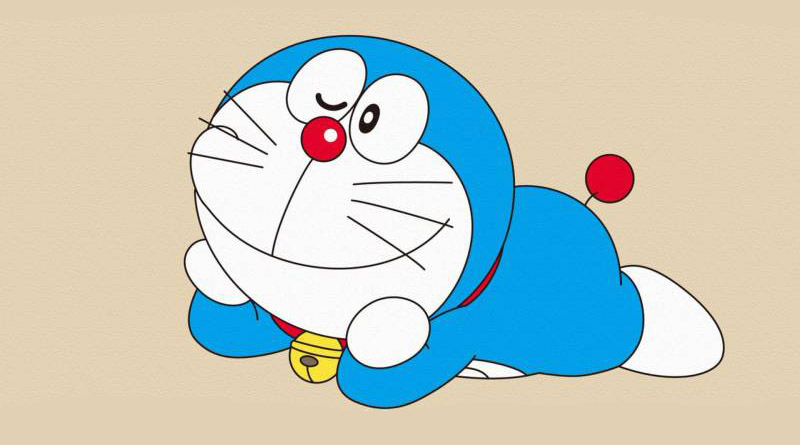
Doraemon, the blue robotic cat from the future, is a staple of children’s anime in Japan and beyond. With his magical gadgets and unwavering loyalty to Nobita, Doraemon helps kids navigate everyday challenges through creativity and problem-solving. The series emphasizes kindness, honesty, and the consequences of laziness, making it both entertaining and educational. Doraemon’s timeless appeal lies in his ability to turn ordinary situations into extraordinary adventures while teaching valuable life lessons.
3. Anya Forger (Spy x Family)
Anya Forger, the adorable telepathic child from Spy x Family, has quickly become a fan favorite among young viewers. Her expressive face, innocent curiosity, and heartwarming desire to keep her makeshift family together make her relatable to kids. Despite her extraordinary abilities, Anya’s struggles with school, friendships, and emotions mirror real-life childhood experiences. The show’s blend of humor, action, and emotional depth ensures that children remain engaged while learning about empathy and family bonds.
4. Totoro (My Neighbor Totoro)
Studio Ghibli’s My Neighbor Totoro introduces children to the gentle forest spirit Totoro, a symbol of wonder and comfort. Totoro’s interactions with sisters Satsuki and Mei highlight the beauty of childhood imagination and the importance of nature. The film’s slow-paced, whimsical storytelling allows kids to immerse themselves in a world where kindness and curiosity prevail. Totoro’s design—soft, round, and non-threatening—makes him an ideal character for young children, fostering a sense of security and joy.
5. Goku (Dragon Ball)
While Dragon Ball has action-packed battles, Goku’s character is rooted in innocence, optimism, and a never-give-up attitude. His journey from a naive Saiyan child to a powerful warrior teaches kids about perseverance, self-improvement, and protecting loved ones. The series’ emphasis on training, discipline, and fair play provides positive role-modeling for children, encouraging them to pursue their goals with dedication.
6. Sailor Moon (Usagi Tsukino)
Usagi Tsukino, better known as Sailor Moon, is a beloved heroine who combines relatability with heroism. Initially clumsy and insecure, Usagi grows into a confident leader, teaching kids that everyone has the potential to be brave and kind. The Sailor Moon series promotes themes of friendship, justice, and self-acceptance, making it a timeless choice for young audiences. Its colorful transformations and action sequences add excitement while reinforcing positive messages.
7. Shin-chan (Crayon Shin-chan)
Shin-chan, the mischievous yet endearing five-year-old from Crayon Shin-chan, offers humor and lighthearted life lessons. While his antics often land him in trouble, his underlying innocence and love for his family make him a relatable figure for kids. The show’s comedic take on everyday family life helps children see the fun in ordinary situations while subtly teaching them about responsibility and respect.
8. Kiki (Kiki’s Delivery Service)
Kiki, the young witch from Studio Ghibli’s Kiki’s Delivery Service, embodies independence and self-discovery. Her journey to a new city mirrors the challenges kids face when stepping out of their comfort zones. Through Kiki’s struggles and triumphs, children learn about resilience, hard work, and the importance of believing in oneself. The film’s gentle pacing and uplifting message make it a perfect introduction to anime for younger viewers.
9. Deku (My Hero Academia)
Izuku Midoriya, or Deku, from My Hero Academia, is an inspiring character for kids who dream of becoming heroes. Despite being born without powers in a superpowered world, Deku’s determination, kindness, and unwavering spirit make him a role model. The series emphasizes courage, teamwork, and the idea that anyone can be a hero with the right mindset. Its action-packed yet heartfelt storytelling keeps kids engaged while reinforcing positive values.
10. Hamtaro
The tiny hamster Hamtaro and his furry friends from Hamtaro offer simple, wholesome adventures centered around friendship and problem-solving. The show’s lighthearted tone and cute character designs appeal to younger children, while its stories teach cooperation and creativity. Each episode presents small challenges that the hamsters overcome together, reinforcing the value of teamwork and kindness.
Final Words
Anime shows should not be considered just a source of fun. Of course, anime is fun, but they offer so much more value than just fun. You can learn about the trending anime platforms and shows at Plasticrypt. Anime shows spark a sense of inspiration among the kids and teach them valuable lessons that even schools don’t teach these days.
Depending on the kind of anime shows that you encourage your kids to watch, anime will have a massive positive influence on the personality of your kids. We highly recommend you research and find anime shows that your kids will love.