


To boost Link Authority or Brand Awareness nearly all Business Owners prefer to buy Guest Posting Services. Do-Follow links from Guest Posts helps to enhance keyword position. Did you recently published a Guest Post with a Global publisher? Whether you did published with Forbes or Wikihow make sure the live link is well optimized for Search engines.
Guest blogging demands strategic planning, from identifying high-authority blogs to executing outreach effectively. Tools like BuzzStream, Ahrefs, SEMrush, SimilarWeb, and RocketReach streamline this process, ensuring data-driven decisions and higher success rates. By integrating these platforms into your strategy, you can enhance visibility, build authority, and drive sustainable traffic through guest blogging.
Determine your Guest Post Goal?
First decide for which kind of blogs you are going to publish which kind of Articles. Will you go for PBN Sites or Web2? How many links you need to place in your Article. Which link type your publisher going to provide you. If you are looking referral traffic go for high traffic sites and no-follow links. If you are interested to boost your url rank in search engines go for do-follow links.
For long term deal before choosing your Guest Post provider check the domain and hosting provider details. What is the rate of downtime? During 3 tire backlinks creation sometime we invest on our link which resides in an another domain. In that case domain and blog authority matters. Good domain authority based sites are more stable then lower authority domains.
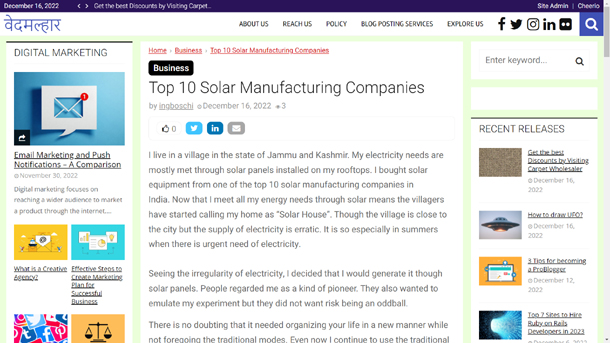
There are several things to notice after buying a Guest Posting Service. Once you have the live link from your publisher ask your SEO team to review. Unless until a good SEO Score your link will not perform good in search engines.
SEO Factors to Check after Guest Posting
Keyphrase in introduction: Your keyphrase or its synonyms need to appear in first paragraph. Make sure the topic is clear immediately. Never add a link to your Keyphrase. It’s a bad SEO practice.
Keyphrase distribution: Large parts of your text must need to contain the keyphrase or its synonyms. Distribute them more evenly. This practice help Search engines to rank quicker.
Keyphrase density: Depending upton the Word Count use the focus keyphrase. For an example if your Article is 1000 words repeat the focus keyphrase 3 to 4 times. Similarly for a 600 words Article repeat keyphrase 2 times. Keyphrase density helps to improve keyword weightage for Search engines.
Keyphrase in meta description: Always use meta description with your Live link. While Creating meta description make sure the Keyphrase has been specified. Word Count for meta description keep in-between 150-160 characters.
Keyphrase in subheading: Use keyphrases or synonyms in your higher-level subheadings. For 1000 words long article keep 3 to 4 subheadings. From them make 2 subheadings with keyphrase. Its much wise if you are using keyphrases synonyms in 3rd subheading.
Outbound links: Always add at least 1 do-follow outbound link to your live Article. Here you can use this link building strategy to link your another blogs. If you don’t have an another blog add a Wikipedia link or any link followed by google URL guidelines.
Internal links: Like an outbound link inbound link also matters in SEO. With your live article make sure your publisher added an internal link. Or else ask your publisher to add 1 internal link. I mean Link to your other published guest posts. From SEO prospective Internal link helps both publisher as well as blog owner.
Keyphrase length: Lower keyphrase length means more traffic for that keyword. For an example “Guest Posting” is a heavier keyword then “Guest Posting Services”. Cause the first phrase having 2 words while second phrase with 3 words. It’s a good practice to limit your keyphrase maximum 4 words long.
Meta description length: Search results shows Meta description with link and title. While creating meta description keep word Count maximum 150 to 160 characters. More lengthy meta description results negative impact on SEO. Use keyphrases or synonyms only once in meta description.
Previously used keyphrase: In which blog you are publishing your article with a specific keyphrase is that blog contains another article with similar keypharse. If yes ask your publisher to make your keyphrase unique or you change your keyword. Repeated articles with similar focus keyword confuse search engines for which one to index.
Image alt attributes: As you know its a visitor friendly practice to use related images with your live Story. Including featured image additionally inside body you can add 2 to 3 images for a 1000 or 1200 words article. Make it a practice while adding an image add alt and title tags for that image. You can use same text for alt and title tag. Itself a image file is not self-describing. Using title or alt tag global search engines understood the image stand for.
Text length: World knows Content is the king. Always prefer lengthy Article for Guest Posting. Keep in mind default word count must in-between 800 to 1000 words. For better results go for 1200 to 1600 words Articles. Now-a-day competitors are high so more word count gives better results for Search visibility. Break the text into small, digestible paragraphs.
Keyphrase in title: Add exact match of the keyphrase at the beginning of your SEO title.
SEO title width: In Search results SEO Title is a primary factor. Depending upon the Title content goes inside. Make your title 50 to 60 characters long. Don’t overload topic Title. Use high weightage low competitive keywords in title.
Keyphrase in slug: Use keyphrase in the slug.
Common Factors to Check
1. What is the Contextual link type your publisher provided you. Do-follow or No-follow? Is target=”_blank” attribute added to your link tag.
2. Did your publisher submitted the link to google Search console. How many days it required to index in Google or other Search engines.
3. Allow visitors to write comments for your article. Allow commenting option. Some where I noticed many Searches coming from Google related with keyword and blog commenting. If your blog not supporting Commenting feature you can use Disqus from web.
3. Is proper # tags added to the post? Always prefer 3 to 5 # tags with your 600 to 1000 words Article. Notice under which Category your publisher published the article. Is it suitable for your Story?
Can I go for Social medias or Article publishing Sites?
Various of websites starting from Social media to Company blog accepting Guest Posts. While choosing Sites for Guest Post looking into the topic title and business need choose the publisher. For an example LinkedIn accepts Guest Posts. If you want a no-follow link with high DA professional Social media platform then LinkedIn is the best place. There are many others like Facebook or medium accepts Guest Posting. After Guest Posts with these Sites to rank those links provide backlinks to them.
How to Craft a Great Author Bio?
An author bio is more than just a brief introduction—it’s a powerful tool that establishes credibility, builds trust with readers, and enhances your professional image. Whether you’re an aspiring writer, a seasoned author, or a business professional publishing content, a well-crafted bio can make a lasting impression. Here’s a comprehensive guide to writing an engaging and effective author bio.
1. Understand the Purpose of an Author Bio
An author bio serves multiple purposes:
Introduces You to Readers: It provides context about who you are and why you’re qualified to write on a given topic.
Builds Credibility: A strong bio highlights your expertise, experience, and achievements.
Encourages Engagement: A compelling bio can drive readers to follow you on social media, visit your website, or explore your other works.
Supports Branding: It reinforces your personal or professional brand, making you more recognizable in your field.
2. Keep It Concise and Focused
Most author bios range between 50 to 150 words. The key is to be succinct while including essential details. Avoid unnecessary fluff—stick to information that adds value.
Key Elements to Include:
Your Name: Use the name you publish under.
Professional Credentials: Mention relevant qualifications, degrees, or certifications.
Notable Works or Achievements: Highlight published books, awards, or significant contributions.
Expertise or Unique Perspective: Explain what makes you an authority on the subject.
Personal Touch (Optional): A brief personal detail (e.g., “When not writing, she enjoys hiking and coffee brewing”) can make you relatable.
3. Tailor the Bio to the Audience
Different platforms and publications require slight adjustments:
Book Jackets: Focus on literary achievements and writing background.
Guest Blog Posts: Emphasize expertise related to the article’s topic.
Professional Websites: Include career highlights and professional affiliations.
Social Media: Keep it shorter and more conversational.
4. Write in the Third Person
Using third-person narration (e.g., “John Doe is a bestselling author…”) maintains professionalism and aligns with publishing standards. However, some platforms (like personal blogs) may allow a first-person approach.
5. Showcase your Personality
While maintaining professionalism, let your voice shine through. A dry, overly formal bio can feel impersonal. Consider:
Humor (if appropriate): “By day, a financial analyst; by night, a crime fiction enthusiast.”
Unique Interests: “An avid stargazer, she blends astronomy into her sci-fi novels.”
6. Include a Call to Action (CTA)
Guide readers on what to do next: – “Explore her latest novel at [website].” – “Follow him on Twitter @handle for writing tips.”
7. Update Regularly
Revisit your bio periodically to add new publications, awards, or career developments. An outdated bio can appear unprofessional.
Some tools for Guest Blogging
Guest blogging remains a powerful strategy for building authority, driving traffic, and earning high-quality backlinks. To maximize its potential, leveraging the right tools is crucial. Below is a detailed exploration of some of the most effective platforms for guest blogging, including BuzzStream, Ahrefs, SEMrush, SimilarWeb, and RocketReach.
1. BuzzStream (buzzstream.com)
BuzzStream is a comprehensive outreach and link-building tool designed to streamline guest blogging efforts. It simplifies the process of finding relevant blogs, managing outreach campaigns, and tracking communication.
Key Features:
Contact Discovery: Helps identify bloggers, journalists, and influencers in your niche.
Email Outreach Automation: Customizable templates and follow-up reminders improve response rates.
Relationship Management: Tracks interactions with prospects to maintain organized communication.
Performance Analytics: Measures campaign success through open rates, replies, and link placements.
Why Use BuzzStream?
BuzzStream eliminates manual outreach hassles, ensuring efficient and scalable guest blogging campaigns. Its CRM-like functionality makes follow-ups seamless, increasing the likelihood of securing guest post opportunities.
2. Ahrefs (ahrefs.com)
Ahrefs is a leading SEO tool that aids in competitor analysis, keyword research, and backlink tracking—essential for guest blogging success.
Key Features:
Backlink Analysis: Identifies high-authority sites linking to competitors, revealing potential guest post targets.
Content Gap Analysis: Highlights topics competitors rank for but your site doesn’t, guiding guest post topics.
Keyword Research: Finds low-competition keywords to optimize guest posts for better rankings.
Site Explorer: Evaluates domain authority (DA) and traffic metrics of potential host blogs.
Why Use Ahrefs?
By analyzing competitors’ backlinks, Ahrefs helps pinpoint authoritative blogs open to guest contributions, ensuring high-impact placements.
3. SEMrush (semrush.com)
SEMrush is an all-in-one digital marketing toolkit that enhances guest blogging through competitive research and content optimization.
Key Features:
Backlink Audit: Identifies backlink opportunities from high-DA sites.
Topic Research: Generates trending ideas for guest posts based on search demand.
Position Tracking: Monitors rankings of published guest posts.
Outreach Campaign Management: Tracks outreach emails and responses.
Why Use SEMrush?
SEMrush provides data-driven insights to craft compelling guest posts that align with audience interests and SEO best practices.
4. SimilarWeb (similarweb.com)
SimilarWeb offers traffic and engagement analytics, helping bloggers assess the reach of potential guest post hosts.
Key Features:
Traffic Analysis: Estimates website visits, bounce rates, and audience demographics.
Competitor Benchmarking: Compares multiple sites to identify the best platforms for guest posting.
Referral Sources: Reveals where a site’s traffic originates, aiding in targeted outreach.
Why Use SimilarWeb?
By evaluating a blog’s traffic quality, SimilarWeb ensures guest posts are placed on high-visibility platforms.
5. RocketReach (rocketreach.co)
RocketReach specializes in finding accurate contact details for bloggers and editors, simplifying outreach.
Key Features:
Email and Phone Lookup: Provides verified contact information for decision-makers.
LinkedIn Integration: Extracts professional details for personalized outreach.
Bulk Search: Allows mass searches for contacts in a niche.
Why Use RocketReach?
Direct access to key contacts increases the chances of securing guest post placements without lengthy prospecting.
https://www.buzzstream.com/
https://ahrefs.com/
https://www.semrush.com/
https://similarweb.com/
https://rocketreach.co/
Conclusion
Content marketing is a best white hat technique to boost visibility. Using Content marketing we can drive leads to the business. Content marketing is useful if the live link get indexed by Search engines. So before investing in Content marketing or Guest Posting Services follow the above guidelines closely.