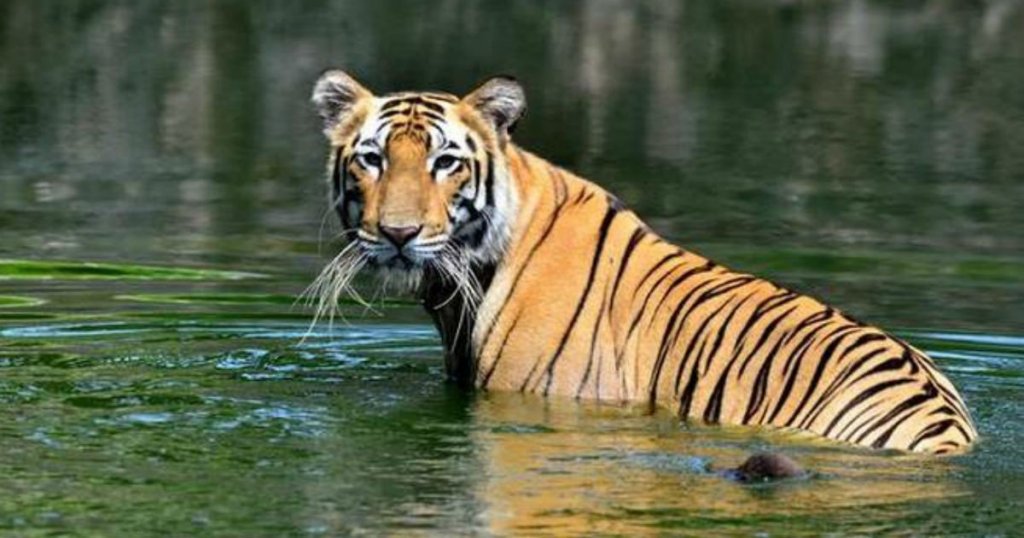
The Jim Corbett National Park is a destination that sparks an excitement in you no matter how old you are. Situated in Uttarakhand, the national park is a sanctuary for flora and fauna, and the famous royal bengal tigers. While tourists flock into Uttarakhand because of India’s oldest wildlife sanctuary, you will be surprised to learn that it isn’t the only attraction in the area that you can visit and enjoy. The JIm corbett National Park has a string of other popular destinations around it, and it is worth your time to see these “other” tourist hotspots:
Geographical and Ecological Significance
The park’s terrain is diverse, ranging from dense forests and grasslands to riverine belts and rugged hills. The Ramganga River, a major tributary of the Ganges, flows through the park, providing a lifeline for its flora and fauna. The park is divided into five distinct zones—Dhikala, Bijrani, Jhirna, Dhela, and Durga Devi—each offering unique wildlife experiences.
The park’s elevation varies between 400 and 1,200 meters, creating a mosaic of ecosystems that support a wide variety of species. Sal forests dominate the lower regions, while mixed deciduous forests cover the higher elevations. The park also features patches of khair-sissoo forests along riverbanks, adding to its ecological diversity.
Additionally, the park is characterized by patches of khair-sissoo forests located along the riverbanks. These unique ecosystems add to the park’s ecological diversity and are vital for various bird species, which flock to the area for nesting and feeding. The interplay between different plant communities also creates a rich feeding ground for herbivores, subsequently supporting the carnivores at the top of the food chain.
Cultural and Historical Significance
Beyond its natural splendor, Jim Corbett National Park holds historical importance. Jim Corbett, after whom the park is named, was a renowned hunter who later dedicated his life to conservation. His books, such as The Man-Eaters of Kumaon, chronicle his experiences tracking man-eating tigers and leopards in the region.
The park also has ties to local communities, particularly the Van Gujjars, a pastoral tribe that traditionally depended on the forest for sustenance. Today, eco-tourism provides livelihood opportunities for nearby villages, fostering a symbiotic relationship between conservation and local economies.
The land surrounding Jim Corbett National Park is steeped in the cultural heritage of the Kumaoni and Garhwali communities. These indigenous groups have coexisted with the forest for centuries, relying on its resources for sustenance while maintaining a harmonious relationship with wildlife. Traditional practices, such as the worship of local deities like Golu Devta and the celebration of festivals like Harela and Phool Dei, reflect a deep reverence for nature.
1. Sattal – The meeting point of Seven Lakes
Located just 123 kilometres from Jim Corbett National Park. The town of Sattal is famous for its migratory birds who flock in here. The small hilly town gets its name from the seven lakes that are interconnected and meet here, which explains the abundance of exotic birds in the region. You can book a hotel easily and stay here and go for bird watching, trek in the woods, kayak or go for a boat ride in the lake, nature walks etc.
Sattal lies at an altitude of approximately 1,370 meters above sea level, surrounded by dense oak and pine forests. The seven lakes—Panna Tal, Nal-Damyanti Tal, Garud Tal, Sita Tal, Ram Tal, Laxman Tal, and Sukh Tal—are interconnected. Creating a thriving habitat for diverse flora and fauna. The crystal-clear waters reflect the surrounding greenery, making it a paradise for nature lovers and photographers.
The region is a biodiversity hotspot, home to over 500 species of resident and migratory birds, including the Himalayan pied kingfisher, red-billed blue magpie, and white-crested laughing thrush. The lakes also support a variety of fish species, while the surrounding forests shelter leopards, barking deer, and langurs. The delicate balance of this ecosystem underscores the importance of conservation efforts to protect Sattal from pollution and deforestation.
2. Rishikesh – The Yoga Capital of India
Rishikesh is located just 142 kilometres from Jim Corbett National Park, and is famous for its tourist destinations and centres of relaxation, yoga, and adventure sports. Come here to participate in river rafting and camping, bungee jumping, mountain biking etc. You can see places such as the Lakshman Jhula, Rishi Kund, Geeta Bhavan, Triveni Ghat, and a string of temples and holy places. Spiritual and adventurous, Rishikesh is a major attraction for tourists to visit near Jim Corbett National Park.
Rishikesh’s spiritual significance dates back thousands of years. According to Hindu mythology, Lord Rama performed penance here after defeating Ravana, and the name “Rishikesh” is derived from “Hrishikesha,” a name for Lord Vishnu meaning “Lord of the Senses.” The town is dotted with ancient temples, ashrams, and meditation centers, each contributing to its divine aura.
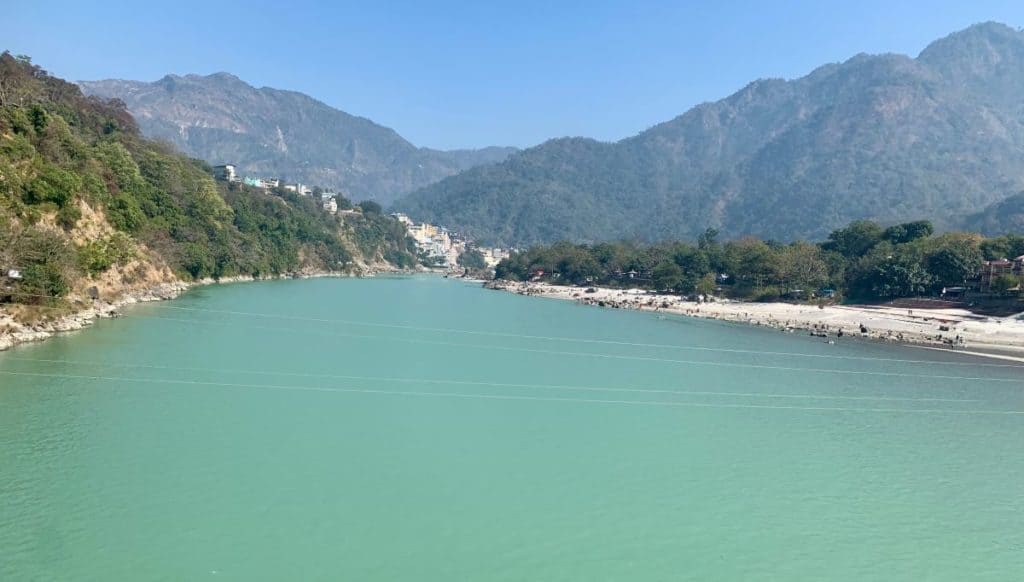
The iconic Triveni Ghat, where the Ganges, Yamuna, and Saraswati rivers converge, is a focal point for pilgrims who gather for the evening Ganga Aarti—a mesmerizing ritual of lamps, chants, and devotional songs. The rhythmic hymns and flickering diyas floating on the river create an ethereal atmosphere, reinforcing Rishikesh’s spiritual essence.
3. Lansdowne – A town of British Reminiscence
Very close to New Delhi and situated just 132 kilometres from Jim Corbett National Park. The town of Lansdowne still holds on to its former glory in the ruined structures of British era. This is a place perfect for a weekend getaway. Come here with your friend over the weekend for a quiet stay in the woods and tell ghost stories around a bonfire on a cold night. Get a barbeque going and enjoy the spooky beauty of the town of Lansdowne. There can’t be a place better than Lansdowne for an old soul history buff because of the town’s history and scenic beauty. You can also go boating on Lake Bulla, visit Saint Mary’s church, go for nature walks, treks etc.
One of the most striking remnants of British rule is St. Mary’s Church, a pristine white structure built in 1895. Its stained-glass windows, wooden pews, and tranquil ambiance transport visitors to an era of Sunday sermons and colonial gatherings. Though no longer functional, the church stands as a protected monument. Its silence echoing the footsteps of British soldiers who once sought solace within its walls.
The Garhwal Rifles Regimental War Memorial, another landmark, pays homage to the valor of Indian and British soldiers who fought in World War I and II. The museum adjacent to it houses artifacts, uniforms, and letters that narrate the regiment’s storied past. The meticulously maintained Commanding Officer’s bungalow, with its vintage furniture and manicured gardens, offers a glimpse into the lives of British officers who once called Lansdowne home.
4. Bhimtal – A Scenic town with a Crystalline Lake
Bhimtal is one of those few quiet places you will fall in love with. Located just 165 kilometres from Jim Corbett National Park, Bhimtal sports the beautiful, crystalline Lake Bhimtal. You may not find many high-end or fancy hotels here. but it is less populated and therefore, much quieter for a hill station that attracts tourists all round the year. There are a few nice and warm hotels you can book a stay in, and a chat with the local people will be something you cherish. Go for boating in the Bhimtal Lake, paragliding, rappelling, rock climbing, nature walks etc.
Bhimtal Lake is the largest and most prominent lake in the Nainital district, spanning approximately 63 acres. Fed by natural springs and rainwater, the lake maintains its clarity throughout the year, making it a mesmerizing sight for visitors. A small island at the center of the lake houses a charming aquarium, accessible by boat, adding a unique attraction to the already scenic waters. The lake’s periphery is dotted with lush forests and colonial-era cottages, enhancing its old-world charm.
Boating is a popular activity here, with paddleboats and rowboats available for hire. The gentle ripples of the water, combined with the cool mountain breeze, create an atmosphere of unparalleled tranquility. Early mornings and late afternoons are particularly magical, as the sun casts golden hues over the lake, transforming it into a shimmering spectacle.
5. Nainital – The Hill Station with a pear-shaped Lake
Nainital is famous for the Nainital Lake. Which is a pear-shaped located in the heart of the city, or rather, the city is spread around the beautiful lake. Promising exquisite view of the scenic beauty around. Nainital is located just 151 kilometres from Jim Corbett National Park and just 20 kilometres from the town of Bhimtal.
Naini Lake, the centerpiece of Nainital, spans approximately 1.5 kilometers in length and is enveloped by verdant forests. According to Hindu mythology, the lake is believed to be one of the 64 Shakti Peeths, where the left eye of Goddess Sati fell. The Naina Devi Temple, situated on its northern shore, reinforces this legend and draws pilgrims year-round. Boating on the lake is a popular activity, with paddleboats and rowboats available for visitors to explore its calm waters while soaking in the panoramic views of the surrounding hills.
The region’s biodiversity is another highlight. The nearby Jim Corbett National Park, India’s oldest national park, is home to Bengal tigers, elephants, and a variety of bird species. The Kilbury Bird Sanctuary, a short drive from Nainital. This is a haven for birdwatchers, hosting species like the Himalayan griffon and the koklass pheasant. The lush oak and deodar forests surrounding the town add to its natural splendor, making it a paradise for nature lovers.
6. Kausani – As exotic as a European Nation
Located just two hundred and forty kilometres from Jim Corbett National Park, this little village is still unknown to the tourist folk, apart from just a few particular ones who make it their business to learn about every small place in India. The village of Kausani is straight out of Europe, its hills, forests, and landscape remind you of the exotic beauty of Europe, particularly of Switzerland. It has some lovely tea estates, along with flocks of migratory birds that dot its skies. Come to Kausani for a lovely time with your friends and family. Enjoy bird watching, go on nature walks, explore the countryside, and speak to the locals, getting to know and falling in love with the place.
One of Kausani’s most striking features is its breathtaking 300-degree view of the Himalayan range. On a clear day, visitors can witness the majestic peaks of Nanda Devi, Trishul, and Panchachuli standing tall against the azure sky. The sunrise and sunset views from vantage points like the Gandhi Ashram or the Anasakti Ashram are nothing short of mesmerizing, painting the sky in hues of gold and crimson. The sight is reminiscent of the Alpine vistas in Switzerland or Austria, where towering mountains meet lush green valleys.
Kausani’s verdant meadows and sprawling tea gardens add to its European resemblance. The rolling hills covered in emerald-green tea plantations evoke images of the countryside in England or the vineyards of France. The Kausani Tea Estate, one of the few in India producing high-quality organic tea, offers guided tours where visitors can learn about tea processing while soaking in the serene surroundings. Walking through these plantations feels akin to strolling through the pastoral landscapes of Tuscany or the Swiss Alps.
7. Dhanachuli – The land of Apples
The small village of Dhanachuli is situated at a distance of 194 kilometres from Jim Corbett National Park. This village is famous for its apples. If you have visited enough of Shimla, Darjeeling, Kullu and Manali, then Dhanachuli is your place to head to for an exotic experience in the remote quietness of the hills in the heart of apple orchards. Come here to see the Bhaalu Gaad waterfalls, which is very close to the village of Dhanachuli. Here you can go for nature walks and trekking, see the beautiful landscape of the village and watch fluffy white clouds float by over the woods.
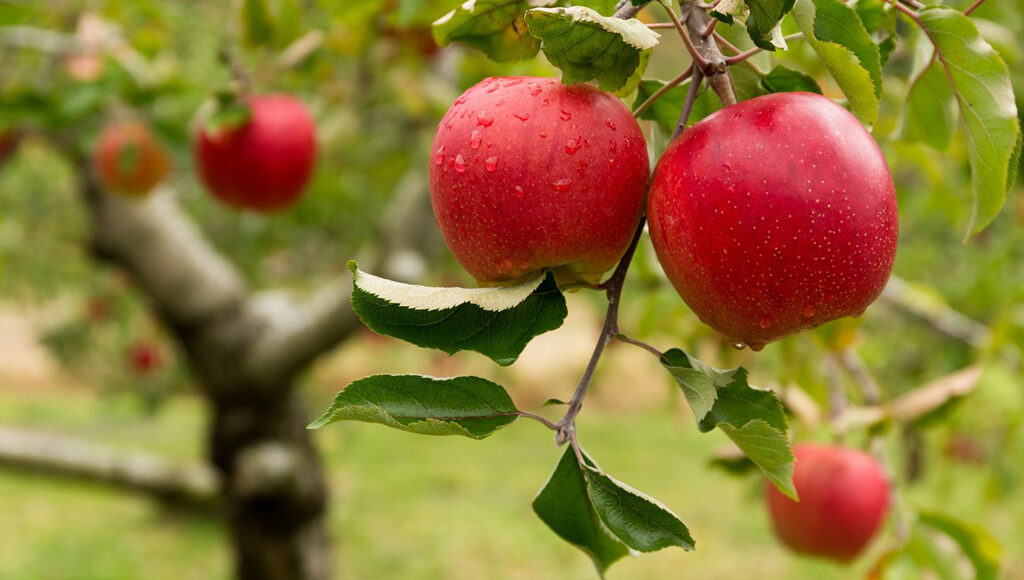
Dhanachuli’s reputation as the “Land of Apples” is well-earned. The region’s temperate climate, fertile soil, and abundant rainfall create ideal conditions for apple cultivation. Farmers here have perfected the art of growing high-quality apples over generations. With varieties such as Royal Delicious, Golden Delicious, and Red Chief thriving in the cool Himalayan weather.
The apple orchards of Dhanachuli are not just a source of livelihood but also a symbol of the region’s agricultural heritage. Unlike commercial farms that rely heavily on chemicals, many local growers practice organic farming, ensuring that the apples retain their natural sweetness and nutritional value. The harvest season, typically from July to September. Transforms the hillsides into a vibrant tapestry of red and green, attracting tourists and traders from across the country.
Biodiversity and Wildlife of Jim Corbett National Park
Jim Corbett National Park is a biodiversity hotspot, home to over 600 species of birds. 50 species of mammals, and 25 species of reptiles. The park’s most iconic resident is the Bengal tiger, with Corbett boasting one of the highest tiger densities in India. Apart from tigers, the park shelters leopards, elephants, sloth bears, and the critically endangered gharial. The Ramganga River, which flows through the park, supports a rich aquatic ecosystem, including the mighty mahseer fish and the rare freshwater dolphin.
Birdwatchers flock to Corbett for its avian diversity, which includes species like the crested serpent eagle, Pallas’s fish eagle, and the great hornbill. The park’s varied topography
- ranging from riverine forests to open grasslands
- creates niches for both migratory and resident birds, making it a year-round destination for ornithologists.
Flora: The Green Lungs of Corbett National Park
The park’s vegetation is as diverse as its wildlife. Sal forests dominate the lower regions, while the higher elevations feature mixed deciduous trees like haldu, pipal, and rohini. The park’s grasslands, known as chaurs, are vital grazing grounds for deer and elephants. The riparian zones along the Ramganga and its tributaries host lush greenery, including khair and sissoo trees. Seasonal blooms add bursts of color, with flame-of-the-forest and kachnar flowers attracting pollinators.
Zones and Safaris
Corbett is divided into multiple zones, each offering unique experiences:
1. Dhikala Zone
The Dhikala Zone is the largest and most popular area within Corbett National Park, covering vast grasslands, dense forests, and the Ramganga River. Known for its breathtaking vistas and abundant wildlife, Dhikala is a prime spot for tiger sightings, elephant herds, and diverse bird species. The zone’s elevated grasslands provide an ideal habitat for deer, including spotted deer (chital) and sambar, while the riverbanks attract crocodiles and gharials.
2. Bijrani Zone
Adjacent to Dhikala, the Bijrani Zone is characterized by its picturesque landscapes, comprising sal forests, grassy meadows, and seasonal streams. This zone is known for its high tiger density, making it a favorite among wildlife enthusiasts. Unlike Dhikala, Bijrani offers a more intimate safari experience with fewer vehicles allowed per day, ensuring minimal disturbance to wildlife.
3. Jhirna Zone
Unlike other zones that close during the monsoon season, Jhirna remains open year-round, offering visitors a chance to explore Corbett’s beauty in all seasons. Located in the southern part of the park, Jhirna features dry deciduous forests and rocky outcrops, creating a distinct ecosystem.
4. Dhela Zone
Dhela is particularly known for its leopard sightings, though tigers, elephants, and deer are also commonly spotted. The zone’s tranquil environment and limited tourist traffic make it ideal for those seeking solitude and undisturbed wildlife encounters.
Safaris are conducted in jeeps or on elephant backs. With trained guides enhancing the experience by tracking animal movements and sharing ecological insights. Night safaris, though limited, offer glimpses of nocturnal species like civets and owls.
Conservation Efforts
Corbett’s success as a protected area stems from rigorous conservation programs. Anti-poaching units, habitat restoration projects, and community engagement initiatives ensure the park’s ecological balance. The Corbett Foundation, a non-profit organization, works alongside forest authorities to mitigate human-wildlife conflict and promote sustainable tourism.
Best Time to visit Jim Corbett National Park
Choosing the right time to visit is crucial to maximize your experience, as weather conditions, animal sightings, and accessibility vary throughout the year. Jim Corbett experiences three distinct seasons: winter, summer, and monsoon. Each season offers a unique experience.
1. Winter (November to February)
Winter is one of the best times to visit Jim Corbett National Park. The weather remains pleasant, with daytime temperatures ranging between 5°C and 25°C, while nights can be chilly.
Optimal Wildlife Sightings: Animals are more active during the cooler hours, making early morning and late afternoon safaris rewarding.
Birdwatching Paradise: Migratory birds flock to the park, making it a haven for ornithologists.
Clear Visibility: The crisp air and reduced foliage improve visibility for spotting tigers and other wildlife.
Early mornings can be extremely cold, requiring warm clothing. Some zones may remain closed due to fog or administrative restrictions.
2. Summer (March to June)
Summer in Corbett is hot, with temperatures soaring up to 40°C. Despite the heat, this season is favored by wildlife enthusiasts for higher chances of tiger sightings.
Peak Tiger Activity: As water sources shrink, animals congregate near rivers and waterholes, increasing visibility.
Longer Safari Hours: Extended daylight allows for more safari options.
Lush Landscapes: Though dry, the park’s terrain offers stark beauty, ideal for photography.
The intense heat can be uncomfortable, especially during midday. Early bookings are essential, as this is a peak tourist season.
3. Monsoon (July to September)
The monsoon season transforms Corbett into a verdant paradise, but it also brings heavy rainfall and restricted access.
Lush Greenery: The park flourishes with fresh vegetation, creating picturesque landscapes.
Fewer Crowds: With limited safari availability, visitors enjoy a more serene experience.
Unique Flora: Rare orchids and flowering plants bloom, attracting botanists.
Most zones, including the core areas, remain closed due to flooding and slippery trails. Limited safari options are available only in the buffer zones.
Conclusion
Jim Corbett National Park is more than a wildlife sanctuary. It is a testament to India’s commitment to conservation and ecological harmony. Whether you seek the thrill of a tiger sighting, the tranquility of birdwatching, or the awe of untouched landscapes, Corbett offers an unforgettable journey into the wild. Its legacy as a haven for nature lovers continues to inspire generations to cherish and protect the natural world.