


Famous for its pot manors, the serene town of Tosh is simply one more illustration of the unmatched normal excellence that Himachal Pradesh holds inside its limits. Situated at the most distant finish of Parvati Valley, Tosh is immaculate by modernisation and high speed life. With its contiguous territory and the waters of stream Parvati moving through its chest, the Tosh trek, Kasol is the go-to undertaking for all thrill seekers. The flower child culture and extraordinary energy of this town will without a doubt ship you to a different universe.
Tosh has dissipated towns across the lavish green slopes compared against snow-cleaned tops. Here you can encounter the abundance of nature in the entirety of its greatness, joined with some native just as outlandish encounters. This objective is frequently crowded by guests from different nations, and you can associate with them and experience their cooking at nearby diners too.
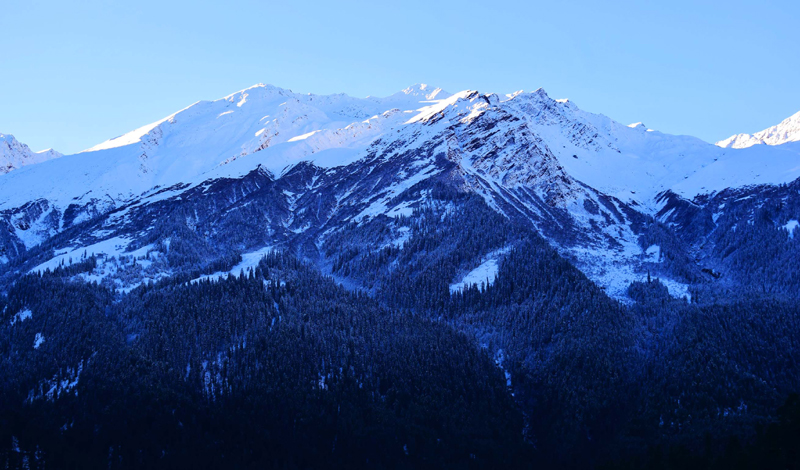
Tosh has become very well known lately because of its proximity to the popular flower child town – Kasol. It is famous among explorers who are searching for a break from the uninteresting of their tumultuous life. Individuals regularly crowd here to rehearse Yoga and reflection in the spotless, natural air and quiet environmental elements. It is for the most part visited by explorers from Israel and Europe. Tosh is generally well known for the trek course here, Kheerganga being the most famous. With each progression you take into this curious town called Tosh, you feel more enamored with Himalayan Town!
Tosh Weather and best Time to Tour
The best and ideal opportunity to visit Tosh is from April to October, however it has a wonderful climate consistently. The time frame from November to February sees the entire town shrouded in snow and can be a happy chance to visit assuming you need to encounter the freezing cold.
The ideal time to undertake the Tosh trek is between April and June (spring and early summer) and September to November (autumn). These months offer stable weather, clear skies, and moderate temperatures, ensuring a comfortable and enjoyable trekking experience.
1. Spring (April to June)
Spring marks the beginning of the trekking season in Tosh. As the snow melts, the valley comes alive with vibrant flora, including blooming rhododendrons and wildflowers. The weather remains pleasant, with daytime temperatures ranging between 15°C to 25°C, while nights can be cooler, dropping to 5°C to 10°C.
Advantages: – Mild temperatures ideal for trekking. Lush green landscapes and blooming flowers. Clear views of snow-capped peaks.
Challenges: – Occasional rain showers in late spring. Melting snow may make some trails slippery.
2. Summer (June to Aug)
While summer continues to be a popular time for trekkers, the onset of the monsoon in July brings heavy rainfall, making trails muddy and slippery. Daytime temperatures hover around 20°C to 30°C, but humidity levels rise, and landslides can disrupt travel plans.
Advantages: – Longer daylight hours for trekking. Fewer crowds compared to peak seasons.
Challenges: – Unpredictable rainfall and slippery paths. Risk of landslides blocking routes.
3. Autumn (September to November)
Autumn is considered the best season for the Tosh trek. Post-monsoon, the skies clear, offering stunning views of the Himalayas. Temperatures range between 10°C to 20°C during the day and drop to 0°C to 5°C at night. The crisp air and golden hues of the landscape create a mesmerizing ambiance.
Advantages: – Stable weather with minimal rainfall. Spectacular views of autumn foliage. Ideal conditions for photography.
Challenges: – Nights can be chilly, requiring warm gear. Early snowfall in November may affect high-altitude treks.
4. Winter (December to March)
Winter transforms Tosh into a snow-covered wonderland, but trekking becomes challenging due to extreme cold and heavy snowfall. Daytime temperatures rarely exceed 5°C, while nights plunge below freezing, often reaching -10°C or lower.
Advantages: – Snow-laden landscapes for winter enthusiasts. Fewer tourists, offering solitude.
Challenges: – Harsh weather conditions unsuitable for beginners. Many guesthouses and cafes remain closed.
Where to Stay during the visit in Tosh Trek?
Since the travel industry is developing at a high speed in Tosh, numerous guesthouses and lodgings are coming up. There is a spending plan conveniently accessible in the town. The majority of these guesthouses have an oven in each space to keep it warm and a typical washroom. A portion of the couple of stay choices accessible incorporate Pink Floyd, Ashwin Cafe and inn Hilltop. There are likewise some homestays in Tosh, however they are very few.
This guide explores the best places to stay in Tosh, catering to diverse preferences and budgets.
1. Guesthouses and Homestays
Run by local families, these accommodations provide basic amenities, warm hospitality, and home-cooked meals.
Tosh Guesthouse: Located in the heart of the village, this guesthouse offers clean rooms with stunning mountain views. The hosts are known for their hospitality and serve delicious local cuisine.
Blue Diamond Guesthouse: A favorite among backpackers, Blue Diamond features cozy wooden rooms and a relaxed atmosphere. The rooftop café is perfect for enjoying panoramic views.
Homestays are ideal for travelers seeking cultural immersion and a chance to interact with locals.
2. Budget Hostels and Dormitories
For solo travelers or groups on a tight budget, hostels and dormitories provide affordable lodging without compromising comfort.
The Hosteller Tosh: A well-known chain, The Hosteller offers dorm beds and private rooms with modern amenities. The common lounge and bonfire area foster a social atmosphere.
Nomads Hostel: With its vibrant décor and friendly vibe, Nomads is a hub for backpackers. Dorm beds start at ₹300, making it one of the cheapest options.
Parvati Kuteer: A rustic hostel with dormitory-style accommodation, Parvati Kuteer is perfect for trekkers looking for a no-frills stay.
Hostels often organize group activities, making them great for meeting fellow travelers.
3. Mid-Range Hotels and Resorts
For those seeking more comfort without splurging on luxury, mid-range hotels and resorts offer a balance between affordability and amenities.
Tosh Valley View: This hotel features well-furnished rooms with attached bathrooms and balconies overlooking the valley. The in-house restaurant serves multi-cuisine dishes.
Himalayan Trout House: Located slightly away from the village, this property offers tranquility and modern comforts, including hot water and Wi-Fi.
Moonlight Resort: A blend of traditional and contemporary design, Moonlight Resort provides spacious rooms, a garden café, and guided trekking services.
4. Luxury Stays and Boutique Hotels
Though Tosh is primarily a rustic destination, a few upscale accommodations cater to travelers seeking luxury amidst nature.
The Himalayan Village: A boutique hotel offering premium cottages with private balconies, spa services, and gourmet dining. Ideal for honeymooners or those wanting a lavish retreat.
Tosh Cliff Resort: Perched on a hillside, this resort features elegantly designed rooms, an infinity pool, and personalized trekking guides.
Parvati Woods: Known for its eco-friendly architecture, Parvati Woods combines luxury with sustainability, offering organic meals and yoga sessions.
What should be done in Tosh?
Kasol, often referred to as the “Mini Israel of India,” serves as the gateway to the Tosh Trek. This small village is renowned for its vibrant culture, Israeli cafes, and serene riverside views. Before embarking on the trek, travelers often spend a day or two acclimatizing in Kasol, exploring its narrow lanes, indulging in local delicacies, and soaking in the laid-back vibe. The Beas River, flowing alongside the village, adds to its charm, making it an ideal spot for relaxation.
To fully experience Tosh Trek, visitors should engage in a variety of activities, from trekking through breathtaking landscapes to investigating local traditions and celebrating the region’s vibrant culture.
1. Investigation: Unraveling the Mysteries of Tosh
Before embarking on the trek, travelers should take time to investigate the history and traditions of Tosh. The village is steeped in folklore, with stories of ancient sages and deities shaping its cultural identity. Visitors can interact with locals to learn about the region’s customs, agricultural practices, and spiritual beliefs. The influence of Jamadagni Rishi, a revered sage in Hindu mythology, is particularly prominent here. Understanding these elements enriches the trekking experience, providing deeper context to the landscapes and landmarks encountered along the way.
2. Celebrating Local Culture
Tosh is known for its warm hospitality and vibrant festivals. Travelers visiting during local celebrations, such as the Fagli Festival or Shivratri, can witness traditional dances, music, and rituals. These events offer a glimpse into the community’s way of life, where ancient traditions coexist with modernity. Participating in these celebrations fosters a connection with the locals and provides an opportunity to appreciate the region’s cultural heritage.
3. Tour Jamadagni Rishi Temple
A key highlight of the Tosh Trek is the Jamadagni Rishi Temple, dedicated to the sage believed to have meditated in these mountains. The temple, located near the village of Pulga, is a serene spot surrounded by dense forests and flowing streams. Pilgrims and trekkers often visit to seek blessings and admire the temple’s rustic architecture. The journey to the temple is as rewarding as the destination itself, with panoramic views of the Parvati Valley accompanying travelers along the way.
Sage Jamadagni, one of the seven great sages (Saptarishis) in Hinduism, is known for his wisdom, austerity, and devotion. According to ancient texts, he was the father of Parashurama, the sixth incarnation of Lord Vishnu. The temple is believed to have been established centuries ago, though its exact origins remain shrouded in myth and legend. Local folklore suggests that the site was chosen due to its divine energy, making it an ideal place for meditation and worship.
The Jamadagni Rishi Temple exemplifies traditional South Indian temple architecture. Built primarily from stone, the structure features a towering gopuram (entrance gateway) adorned with elaborate sculptures depicting deities, celestial beings, and mythological scenes. The sanctum sanctorum houses a sacred idol of Sage Jamadagni, carved from black stone, radiating an aura of divinity.
The temple’s mandapa (pillared hall) showcases exquisite craftsmanship, with pillars engraved with motifs of lotus flowers, divine serpents, and scenes from Hindu epics. The ceiling panels are decorated with frescoes illustrating stories from the Puranas, adding to the temple’s visual splendor. The surrounding prakara (enclosure wall) is lined with smaller shrines dedicated to various gods and goddesses, reinforcing the temple’s role as a center of holistic worship.
4. Trekking through Paradise
The Tosh Trek is renowned for its stunning trails, which range from moderate to challenging. The route takes trekkers through lush pine forests, terraced fields, and rocky terrains, culminating in breathtaking vistas of snow-capped peaks. Key stops include:
i. Tosh Village: Gateway to the Himalayas
The trek begins in the quaint and picturesque Tosh Village, situated at an altitude of approximately 2,400 meters. Known for its laid-back vibe and warm hospitality, Tosh is a haven for travelers looking to escape the hustle of city life. The village is surrounded by lush green meadows, apple orchards, and towering snow-capped peaks, creating a postcard-perfect setting.
Tosh is also a cultural hub, home to the indigenous Himachali people who have preserved their traditions for generations. Visitors can immerse themselves in the local way of life, savoring traditional dishes like siddu and thukpa while listening to folk tales by the bonfire. The village serves as the perfect acclimatization point before venturing deeper into the mountains.
ii. The Trail to Kutla: A Walk Through Wonderland
From Tosh, the trail ascends gradually toward Kutla, a small hamlet perched at around 3,200 meters. The path meanders through dense pine forests, crossing crystal-clear streams and wildflower-strewn meadows. The air is crisp, filled with the scent of pine and the distant murmur of waterfalls.
Kutla is often described as a hidden paradise, with its open grasslands offering panoramic views of the surrounding peaks. The absence of commercialization adds to its untouched charm, making it an ideal spot for camping under the stars. Trekkers often spend a night here, soaking in the tranquility and preparing for the final leg of the journey.
iii. Tosh Glacier: The Crown Jewel of the Trek
The ultimate destination of the trek is the awe-inspiring Tosh Glacier, located at an altitude of over 4,000 meters. The trail from Kutla to the glacier is challenging but immensely rewarding, with each step revealing more dramatic vistas. The landscape transforms into a rugged, rocky terrain as trekkers approach the glacier, with icy streams cutting through the valley.
Standing before the Tosh Glacier is a humbling experience. The massive ice formation glistens under the sun, surrounded by towering peaks that seem to touch the sky. The glacier is a vital water source for the region, and its pristine beauty serves as a reminder of nature’s grandeur.
Proper preparation is essential, including carrying adequate supplies, wearing sturdy footwear, and respecting the fragile ecosystem.
Where to Eat in Tosh?
The bistros in Tosh predominantly serve Indian, Italian and European food. The food accessible here is a little costly as it is a great deal of work to bring every one of the unrefined components up to the town. There are a few bistros serving pizza and sandwiches. There is a restricted decision of food accessible in Tosh. Like any remaining slope stations in Himachal, Tosh additionally has merchants at different spots serving Maggi with some tea. There is something in particular about having Maggi at a high height in the crisp climate.
One of the best ways to immerse yourself in Tosh’s culture is by trying authentic Himachali dishes. Many small eateries and homestays serve traditional meals prepared with locally sourced ingredients.
Siddu: A steamed bread made from wheat flour, often stuffed with walnuts or poppy seeds and served with ghee or dal.
Dham: A festive platter featuring rice, dal, curd, and seasonal vegetables cooked in aromatic spices.
Chha Gosht: A spicy mutton curry marinated in yogurt and cooked with rich spices.
Babru: A Himachali version of kachoris, stuffed with black gram paste and deep-fried.
Due to the influx of Israeli travelers over the years, Tosh has embraced Middle-Eastern flavors. Many cafés serve hummus, falafel, shakshuka, and freshly baked pita bread.
Freedom Cafe: Known for its laid-back vibe and delicious Israeli breakfast platters.
Shiva Garden: Offers a mix of Indian and Middle-Eastern dishes, with rooftop seating overlooking the valley.
Jimmy’s German Bakery: A must-visit for fresh bread, pastries, and strong coffee.
Don’t miss out on Tosh’s street food scene. Stalls near the main market serve:
Maggi: A staple for trekkers, cooked with veggies and cheese.
Chai and Local Sweets: Sip on masala chai while enjoying ladoos or jalebis.
Step by Step instructions to reach Tosh trek
Reaching Tosh is not just about arriving at a destination; it’s about embracing the journey through the stunning landscapes of Himachal Pradesh. With its natural beauty and tranquil environment, Tosh is a perfect getaway for those looking to unwind and connect with nature.
Step 1: Traveling from Delhi to Bhuntar
Your adventure begins in Delhi, the capital city of India. To reach Tosh, your first step is to take a bus to Bhuntar, a small town located approximately 50 km before Manali. Since there are no direct buses from Delhi to Bhuntar, the best option is to catch a bus heading towards Manali. Several private and state-run transport services operate on this route, making it convenient for you to select a bus that fits your schedule.
Be sure to check the departure times and book your tickets in advance, especially during peak tourist seasons. The journey from Delhi to Bhuntar is approximately 12-14 hours depending on traffic and road conditions, so prepare for a long but scenic ride through the enchanting hills of Himachal Pradesh.
Step 2: From Bhuntar to Barshaini
Once you arrive at Bhuntar, it’s time to continue your journey to Barshaini, the next stop on your route to Tosh. The Himachal Road Transport Corporation (HRTC) operates frequent buses from Bhuntar to Barshaini. The ride will take about an hour and will take you along winding mountain roads, providing stunning views of the surrounding landscapes.
Alternatively, if you prefer a more comfortable ride, you can opt for a shared taxi. This is slightly more expensive than the bus but can offer a quicker ride directly to Barshaini.
Step 3: Trekking to Tosh
Having reached Barshaini, you are just a short trek away from your destination. The trek to Tosh is about 2-3 kilometers and typically takes around 30-45 minutes. The trail offers picturesque views of the surrounding mountains and lush valleys, so take your time to soak in the beauty of nature. As you embark on this trek, be prepared for uphill paths, and wear appropriate trekking shoes for a comfortable experience.
For those who might not be inclined to walk, a shared taxi is available for the final leg of the journey as well. For roughly INR 100, you can enjoy a hassle-free ride covering the last 5 km to Tosh.
Is it Safe to Tour Tosh Village?
It’s exceptionally ok for Backpackers, solo explorers to visit Tosh trek. The whole Himachal is basically ok for everybody regardless of sexual orientation and bunches of individuals do travel, solo.
Tosh Village is generally safe for tourists who exercise caution and respect local conditions. Risks like landslides, altitude discomfort, and basic infrastructure can be mitigated with proper planning. By staying informed, choosing reliable accommodations, and adhering to safety guidelines, visitors can enjoy Tosh’s natural beauty without compromising their well-being. Always prioritize preparedness and situational awareness to ensure a smooth and memorable journey.
However one should be careful while branching out in the backwoods region somewhere down in Parvati Valley as there have been cases when individuals have spotted bears and other wild animals in the woods close to Kheerganga particularly after the dull. Individuals around here are incredibly useful and known for their friendliness, so it is extremely protected to knapsack to Tosh Village which is the essential justification for why a ton of explorers and solo voyagers favor Tosh.